Tips from the Nomads team:
- Prefer the period from October to March to visit Oman (mild temperatures between 25°C and 30°C)
- Avoid the scorching summer from June to September (temperatures over 40°C)
- Winter is ideal for exploring the Wahiba Sands desert, hiking in the mountains, and discovering the oases
Best time to travel to Oman
Travelling to Oman is like stepping into a journey through time and breathtaking landscapes. Nestled between the turquoise waters of the Gulf of Oman and the golden dunes of the Wahiba Sands desert, the Sultanate remains one of the Arabian Peninsula’s most authentic and untouched destinations.
Picture ancient forts perched on dramatic cliffs, emerald-green wadis hidden among rugged mountains, and wild beaches where sea turtles come ashore to lay their eggs. In Oman, modernity blends seamlessly with centuries-old Bedouin traditions, creating a unique destination for travellers seeking adventure, authenticity, and unforgettable experiences.
Autumn and winter: the best time for a road trip through Oman
Which regions of Oman should you visit in each season?
The best time to visit Oman depends on the regions you want to explore. From October to March, temperatures are pleasant and you can discover almost the entire country comfortably. During the summer months, Salalah becomes the exception, offering a completely different landscape thanks to the monsoon season.
Muscat | October to March
Start your Oman road trip in Muscat, where ancient traditions meet modern architecture. With temperatures around 24–28°C, this is the perfect time to explore the Sultan Qaboos Grand Mosque, wander through the traditional souks of Mutrah, and enjoy sunset views along the Corniche.
Jebel Shams & the Hajar Mountains | October to March
Nature lovers should not miss the Hajar Mountains and Jebel Shams, Oman’s highest mountain at 3,009 metres. The cooler temperatures make this the ideal season for hiking, including the famous Balcony Walk, which offers spectacular views over the “Grand Canyon of Oman”. Don’t forget to bring warm layers, as nights in the mountains can be surprisingly chilly.
Nizwa | October to March
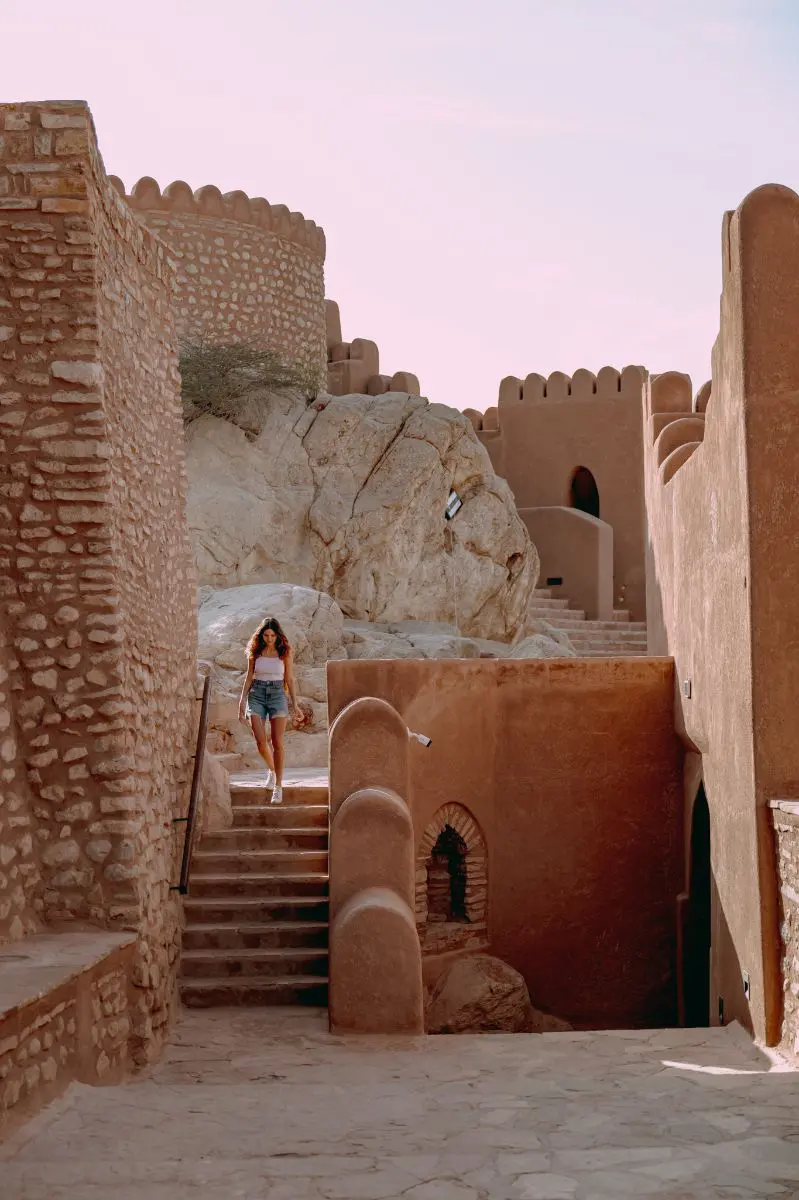
The historic city of Nizwa, Oman’s former capital, is best explored during the cooler months. Visit the impressive Nizwa Fort, browse the traditional souk, and experience the famous Friday morning livestock market for a glimpse into local Omani culture.
Wadi Shab, Wadi Tiwi & Ras Al Hadd | October to April
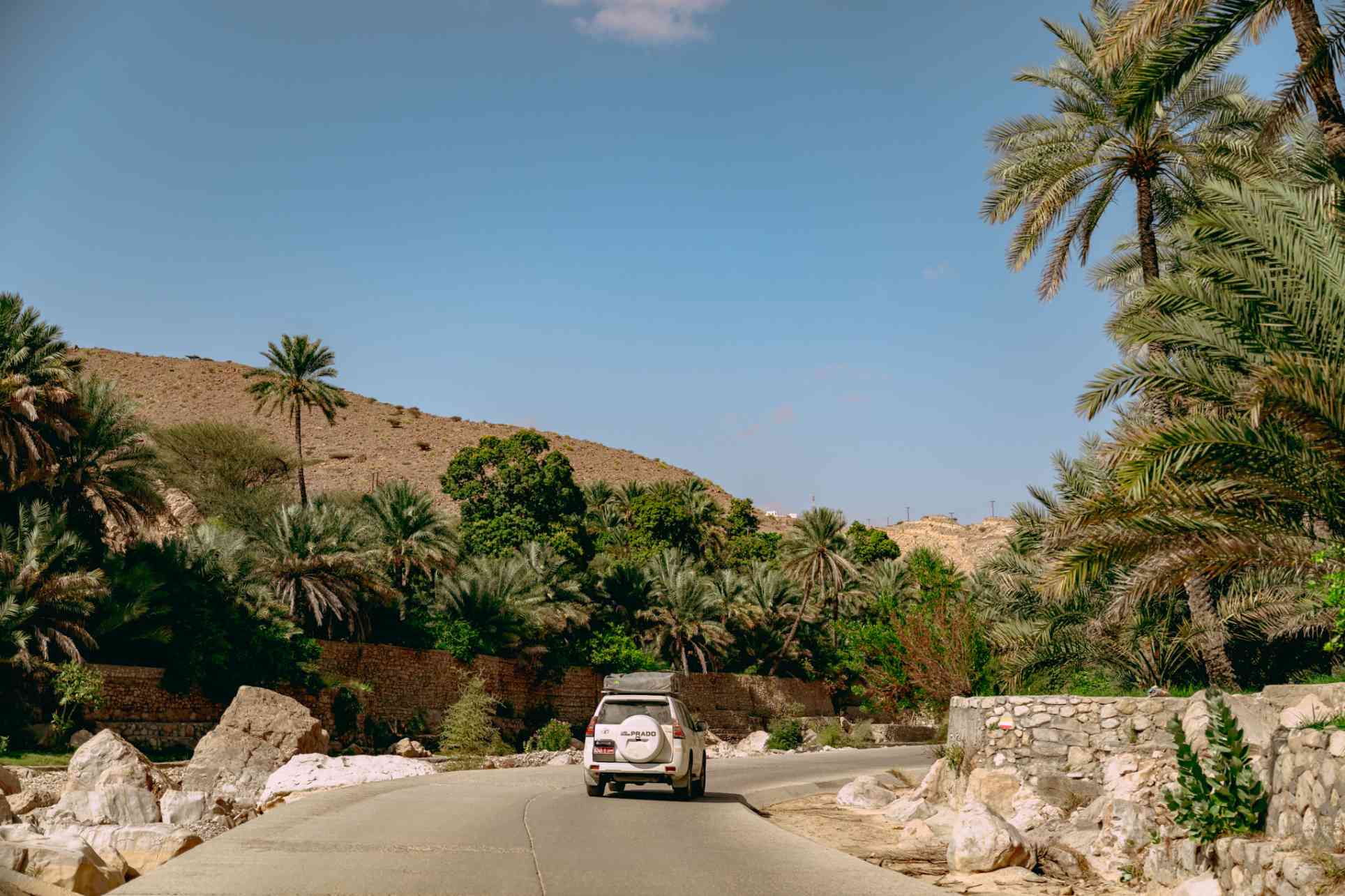
Along Oman’s eastern coastline, discover some of the country’s most beautiful wadis, including Wadi Shab and Wadi Tiwi. The pleasant temperatures are perfect for hiking, swimming in crystal-clear natural pools, and exploring the rugged coastline. With a 4x4, you can also reach hidden coves and, with a bit of luck, spot sea turtles near Ras Al Hadd.
Wahiba Sands | November to March
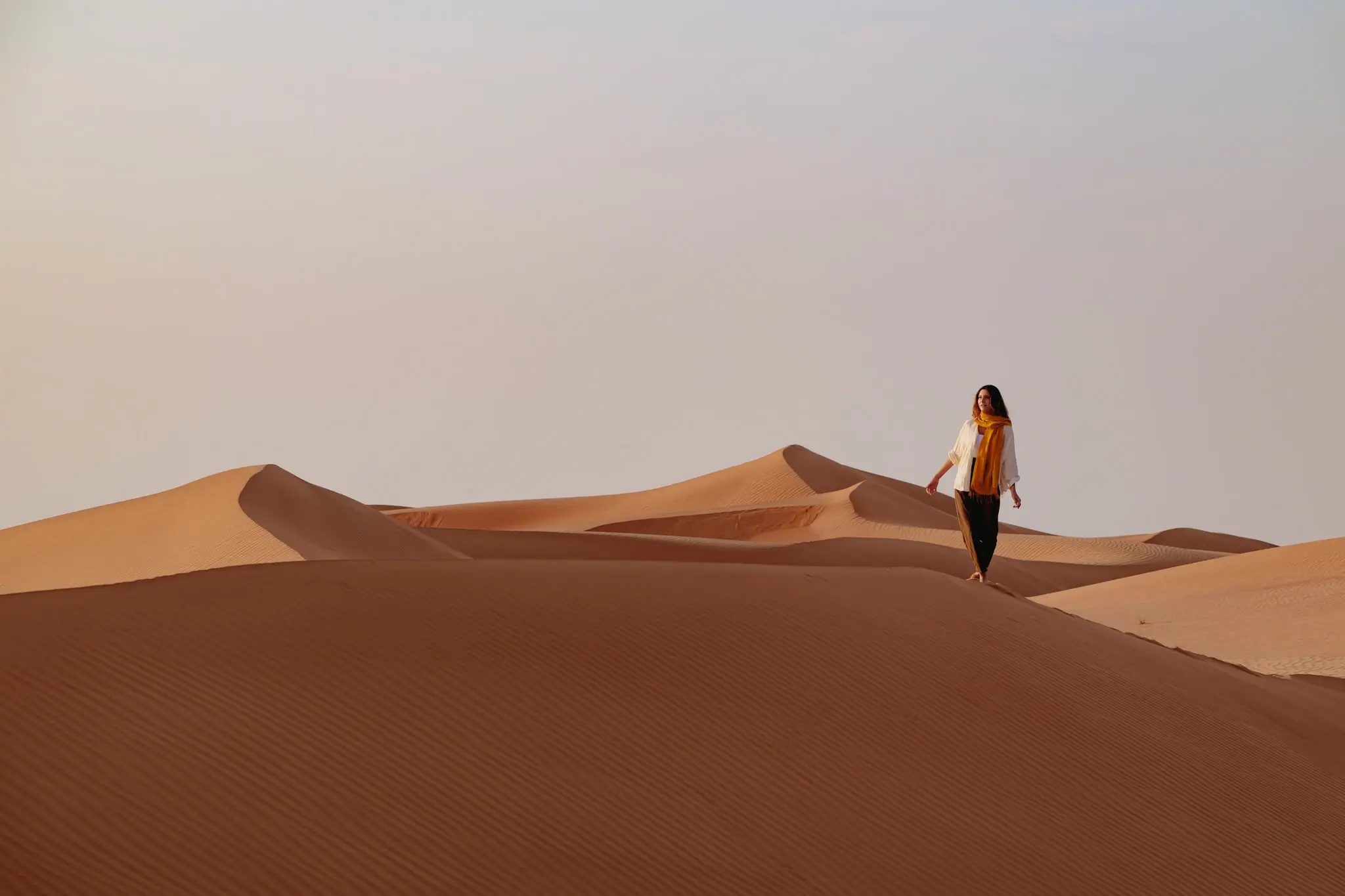
A visit to the Wahiba Sands desert is a highlight of any Oman road trip. From November to March, the mild daytime temperatures make it ideal to explore the dunes and spend the night in a traditional Bedouin camp beneath a spectacular star-filled sky.
Salalah | June to September
While much of Oman experiences intense heat during summer, the region of Salalah transforms into a lush green paradise during the Khareef season (monsoon). Mist, waterfalls, and green landscapes create a completely different side of Oman that is unlike anywhere else in the country.
Summer in Oman: when the sun takes centre stage
Travelling to Oman in summer requires some preparation. From June to September, temperatures in many parts of the country regularly rise above 45°C, making outdoor activities and long days of exploring much more challenging. The desert regions, including Wahiba Sands, can become extremely hot during this period and are less suitable for a typical road trip.
However, summer also reveals a completely different side of Oman. In the south, the region of Salalah comes alive during the Khareef season (monsoon), transforming the landscape into a lush green oasis. Temporary waterfalls, misty mountains, and vibrant vegetation create a unique atmosphere that feels worlds away from the rest of the country.
Keep in mind that humidity levels can be high during this period, but for travellers looking for a different experience, summer can be the perfect time to discover Salalah and its unique landscapes.